

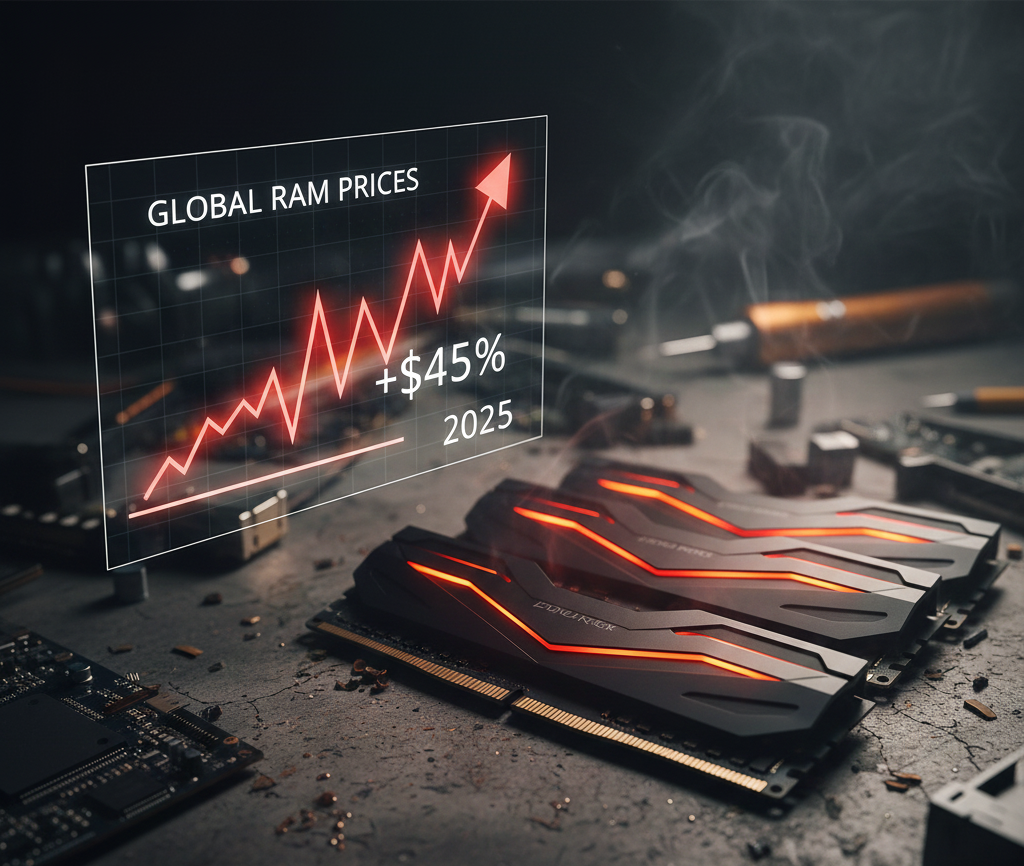
Consumers looking to upgrade their computers or build new systems are facing an unwelcome surprise: RAM prices are climbing once again. After a long period of stability—and in some cases declining costs—the memory market has shifted direction, leading to noticeable price hikes across both consumer and enterprise segments.
From gamers and students to businesses and data centers, the rising cost of RAM is beginning to impact purchasing decisions. Understanding why this is happening and what it means in the short and long term can help buyers make smarter choices.
The Return of Rising RAM Prices
Over the past few years, RAM prices experienced dramatic ups and downs. Periods of oversupply pushed prices down, making upgrades affordable and encouraging frequent hardware refreshes. That trend has now reversed.
Retailers and system builders are reporting higher costs for popular memory configurations, including DDR4 and newer DDR5 modules. Laptops, desktops, and even smartphones that rely on advanced memory components are being affected by this upward trend.
This price hike is not sudden or random—it is the result of multiple converging factors within the global semiconductor industry.
Key Reasons Behind the RAM Price Hike
1. Reduced Production by Manufacturers
Major memory manufacturers have intentionally scaled back production after previous periods of oversupply. When demand weakened, suppliers cut output to stabilize profits. As demand has now rebounded, supply has not fully caught up, creating upward pressure on prices.
Memory production is capital-intensive, and manufacturers tend to adjust output cautiously rather than risk another oversupply cycle.
2. Growing Demand From AI and Data Centers
One of the biggest drivers of rising RAM prices is the explosive growth of artificial intelligence and cloud computing. AI workloads require massive amounts of high-performance memory, and data centers are consuming RAM at unprecedented levels.
Enterprise buyers often secure large contracts directly from manufacturers, reducing the amount of memory available for consumer markets. This imbalance makes retail prices more vulnerable to increases.
3. Transition to Newer Memory Standards
The industry is in the middle of a transition from older memory types to newer, faster standards. DDR5, for example, is becoming more common in modern systems, but it is still more expensive to manufacture than DDR4.
As manufacturers shift production lines toward newer technologies, older memory modules may also become more expensive due to reduced availability.
4. Global Supply Chain Pressures
Although global supply chains have improved compared to previous years, they are still far from perfect. Rising transportation costs, energy prices, and geopolitical uncertainties continue to affect semiconductor logistics.
Even small disruptions in the supply chain can have outsized effects on RAM pricing, given how tightly balanced supply and demand currently are.
How the Price Hike Affects Consumers
PC Builders and Gamers
For PC enthusiasts, RAM is a core component that directly affects system performance. Higher prices mean:
- Increased overall build costs
- Delayed upgrades for budget-conscious users
- Tougher decisions between capacity and speed
Gamers aiming for higher memory capacities or faster kits may need to adjust expectations or wait for promotional discounts.
Laptop and Desktop Buyers
Consumers shopping for prebuilt laptops or desktops may not see RAM prices listed separately, but the cost increase often shows up in:
- Higher system prices
- Fewer base configurations with large memory
- More expensive upgrade options at checkout
Manufacturers sometimes offset these costs temporarily, but sustained price hikes usually reach end users.
Businesses and IT Departments
For businesses managing fleets of computers or servers, rising RAM prices can significantly impact budgets. Enterprise systems often require large memory capacities, and even small price increases per module can add up quickly at scale.
Some organizations are delaying upgrades or extending the life of existing hardware to manage costs.
Will RAM Prices Keep Rising?
Market analysts suggest that RAM prices may continue to rise in the near term, especially if demand from AI, cloud services, and enterprise computing remains strong. However, the memory market is historically cyclical.
If manufacturers ramp up production too aggressively or demand cools, prices could stabilize or even fall again. Much will depend on:
- Global economic conditions
- Consumer electronics demand
- Long-term investment decisions by memory producers
For now, the trend points toward higher prices rather than immediate relief.
Smart Buying Tips During a Price Hike
If you’re planning to buy RAM during this period, consider these strategies:
- Buy only what you need: Avoid overbuying capacity you won’t use immediately.
- Watch for sales: Seasonal sales and bundle deals can still offer good value.
- Check compatibility: Ensure upgrades work with your system to avoid wasted spending.
- Consider timing: If an upgrade isn’t urgent, waiting a few months could pay off if prices stabilize.
Being strategic can help reduce the impact of rising costs.
The Bigger Picture
The current hike in RAM prices reflects broader changes in the technology landscape. As computing becomes more data-intensive and memory-hungry, RAM is no longer just a commodity—it’s a critical resource powering modern innovation.
While higher prices are frustrating for consumers, they also signal strong demand and ongoing technological growth. The challenge lies in balancing innovation with affordability.
